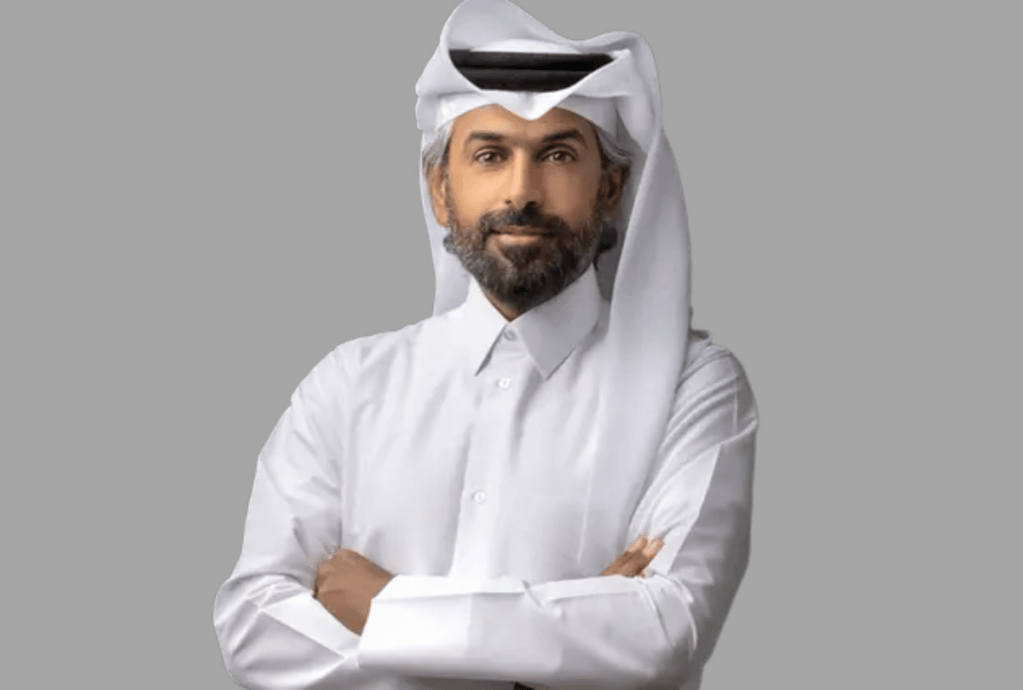
Ooredoo Group launched Ooredoo Fibre Networks to scale subsea and transport fibre assets and appointed Khalid Al-Hamadi as CEO from February 2026.
The company has announced the formation of Ooredoo Fibre Networks (OFN), a new independent entity dedicated to managing and scaling the Group’s international connectivity and submarine cable infrastructure portfolio.
Also Read: Aramco and Microsoft Deepen AI, Cloud Partnership
The company also confirmed the appointment of Khalid Hassan Al-Hamadi as Chief Executive Officer of OFN, effective 15 February 2026. The carve-out process is expected to be completed by 2027.
OFN will serve as its specialised vehicle for executing strategic investments in submarine cable systems and high-capacity terrestrial transport fibre — a segment the Group views as a significant long-term growth opportunity.
By consolidating its expanding international connectivity assets under a standalone platform, the company aims to strengthen its ability to capture rising demand for resilient, high-performance data routes driven by hyperscalers, cloud providers, and AI platforms.
“International connectivity and subsea infrastructure are among the most strategic digital assets in the world, and demand is accelerating with AI, cloud, and hyperscale growth,” said Aziz Aluthman Fakhroo, Group CEO of Ooredoo. “With the formation of OFN, and with Khalid Hassan Al-Hamadi at the helm, we are creating a focused platform to scale our investments in fibre and submarine cables, deliver attractive long-term returns, and cement Ooredoo’s position as a key data gateway between Asia, the Gulf, and Europe.”
The creation of OFN aligns with Ooredoo’s evolved corporate strategy, RISE, which combines three investment horizons to accelerate transformation and deliver superior shareholder returns.
According to Fakhroo, Ooredoo has set a target to grow its international infrastructure and subsea cable business from approximately 3% to 12% of Group revenues over time, reflecting the scale of opportunity created by surging global data and AI traffic flows.
Ooredoo is currently building one of the largest subsea cable and transport fibre networks in the GCC. This includes the FIG subsea cable system, developed in partnership with Alcatel Submarine Networks and spanning approximately 1,900 kilometres, as well as additional submarine and terrestrial investments across the region.
Collectively, these projects are establishing a new regional connectivity corridor and offering a strategic alternative to legacy data routes, reinforcing Ooredoo’s role in global infrastructure flows between Europe and Asia.
Khalid Hassan Al-Hamadi brings extensive operational and strategic leadership experience across Ooredoo’s footprint.
Most recently, he served as Managing Director and CEO of Ooredoo Maldives, where he led the company’s digital transformation initiatives, expanded 5G coverage to approximately 80% of the population, strengthened broadband access across additional islands, and deployed a new submarine cable to enhance international connectivity. During his tenure, the company achieved record revenue and net profit performance.
Al-Hamadi previously held senior leadership roles at Ooredoo Qatar across consumer sales and strategic planning. He also brings more than 15 years of experience in the oil and gas sector, including leadership positions at Qatargas and General Electric, with expertise in operational excellence and large-scale infrastructure execution.
With OFN’s launch and a clear mandate to scale subsea and fibre investments, Ooredoo is positioning itself as a long-term infrastructure player at the heart of global digital traffic flows.
Why Ooredoo’s Launch Matters to MENA
The creation of Ooredoo Fibre Networks signals a strategic shift in how Gulf telecom operators are positioning themselves, not just as service providers, but as digital infrastructure investors.
As AI, hyperscale cloud, and global data traffic surge, submarine cables and high-capacity terrestrial fibre are becoming critical geopolitical and economic assets. By carving out a dedicated platform, Ooredoo is moving to capture long-term value from international connectivity, particularly along the high-demand Europe-Gulf-Asia corridor.
For MENA, this strengthens the region’s role as a global data transit hub, offering alternative routes to legacy subsea corridors and improving resilience against disruptions. It also aligns with broader national strategies across the GCC to build sovereign digital infrastructure capable of supporting AI workloads, hyperscalers, and regional data center growth.
In short, this is not just a corporate restructuring; it reflects the Gulf’s ambition to anchor itself at the center of global digital traffic flows.