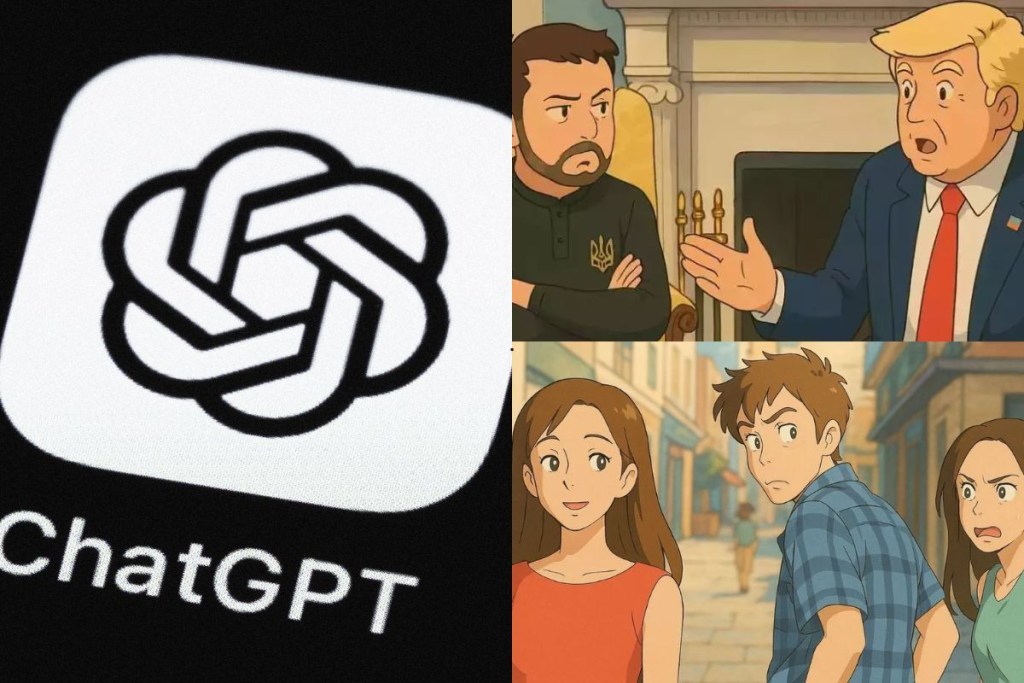
From ChatGPT Studio Ghibli-style portraits to viral “action figure” selfies, generative AI is reshaping online creativity at lightning speed. But while users around the world embrace these tools, a deeper conversation is unfolding across the Middle East especially in the UAE, where the government is walking a tightrope between AI innovation and intellectual property protection.
“There’s an obvious threat to jobs, wages, and livelihoods as the perceived value of niche and bespoke art is diluted by oversaturation,” said Declan McGlynn, Chief Creative Officer at Voice-Swap AI, while speaking to reporters.
As AI models become increasingly capable of mimicking iconic artistic and musical styles, creators risk being edged out of their own industries. Brands built on scarcity and craftsmanship, like ChatGPT Studio Ghibli, may find their uniqueness eroded by AI that can generate infinite “imitations” in seconds. “The mystique and magic surrounding their creative process [is] trivialised,” McGlynn warned.
And the ripple effect isn’t just artistic it’s financial. “This leads to the negative financial impact to the original creators, while others are monetising their works,” he added.
Globally, courts are beginning to grapple with these issues. Lawsuits like The New York Times vs. OpenAI and RIAA vs. Suno/Udio could become legal landmarks that clarify how (or whether) artists get compensated when their work is used to train AI models. But these questions are far from settled especially in emerging tech ecosystems like the GCC that employ the use of ChatGPT.
According to Marina El Hachem, Associate at BSA Law, the UAE is still shaping its AI-specific legal framework, though inspiration is being drawn from more mature jurisdictions. “The EU has already adopted the AI Act, which is the first comprehensive regulation on artificial intelligence in the world,” she said. While the UAE is expected to follow with its own regulations, “there’s no clear timeline.”
UAE’s AI Strategy: Building Guardrails Around Innovation
Despite the absence of AI-specific copyright rules, the UAE has already laid important groundwork. Its Federal Law No. 38 of 2021, one of the most robust copyright laws globally, offers clearer protections for digital and collaborative works, bolstering artists’ legal footing in the digital age.
Although not originally drafted with AI in mind, El Hachem believes its timing couldn’t have been better: “It offers a stronger, clearer legal structure for artists working in today’s increasingly digital and AI-integrated creative environment.”
The UAE is also ahead of the curve when it comes to data protection. The Federal Decree-Law No. 45 of 2021 outlines the rights and obligations for data controllers and processors both inside and outside the country — crucial as AI tools increasingly scrape, store, and manipulate personal data from user-generated content.
“The terms and conditions are usually long and vague… most users skip reading them,” noted Santiago Pontiroli, Lead TRU Researcher at Acronis. “Viral AI trends like the Studio Ghibli or action figure challenges might seem harmless and fun, but they can expose more personal data than users realise.”
That exposure could lead to anything from privacy breaches to deepfakes, especially when facial features, background details, and even device metadata are quietly harvested and fed into global AI systems.
To stay ahead, the UAE established the Artificial Intelligence and Advanced Technology Council (AIATC) in 2024, a strategic body tasked with designing national policies and investment strategies for AI. This signals a strong intent to balance opportunity with oversight — especially as generative AI reshapes industries from art to law.
“These developments show that while AI regulation is still evolving in the UAE, the country is setting the stage for more structured oversight in the future,” said El Hachem.
The Cultural Stakes: Preserving Heritage in the Age of AI, ChatGPT
Beyond legal and financial risks, the creative sector in the MENA region faces an even more nuanced challenge, the erosion of cultural identity.
“Generative AI could accelerate cultural appropriation, especially around art and music styles that are bespoke to one country, region or culture,” McGlynn said. Without clear attribution or compensation, AI-generated content could dilute the distinctiveness of regional art forms over time.
He suggested a different path forward: collaboration, not competition. “AI doesn’t have to replace creativity. It can be a tool that enhances creative expression, if it respects the rights of creatives, artists, designers, filmmakers and more.”
This future, he argued, depends on building ethical models that complement human work rather than replacing it. “Rightsholders will not want to work with companies who are stealing from them… so we are likely to see a shift towards partnerships between rightsholders and companies, like Voice-Swap, who are treating rightsholders with respect.”
El Hachem agrees that balanced regulation is key: “There’s a delicate balance between safeguarding intellectual property and encouraging technological advancement.”
She recommends artists take proactive steps: registering their work, drafting smart contracts with AI-specific clauses, and using DRM tools to retain control over digital assets.
As the UAE continues refining its AI governance strategy, artists and companies alike will need to navigate the fast-evolving landscape with a mix of vigilance, innovation, and legal foresight.
“The UAE, like many other nations, will need to carefully navigate these challenges to ensure that artists’ rights are protected in this new era of AI-driven creativity,” she concluded.