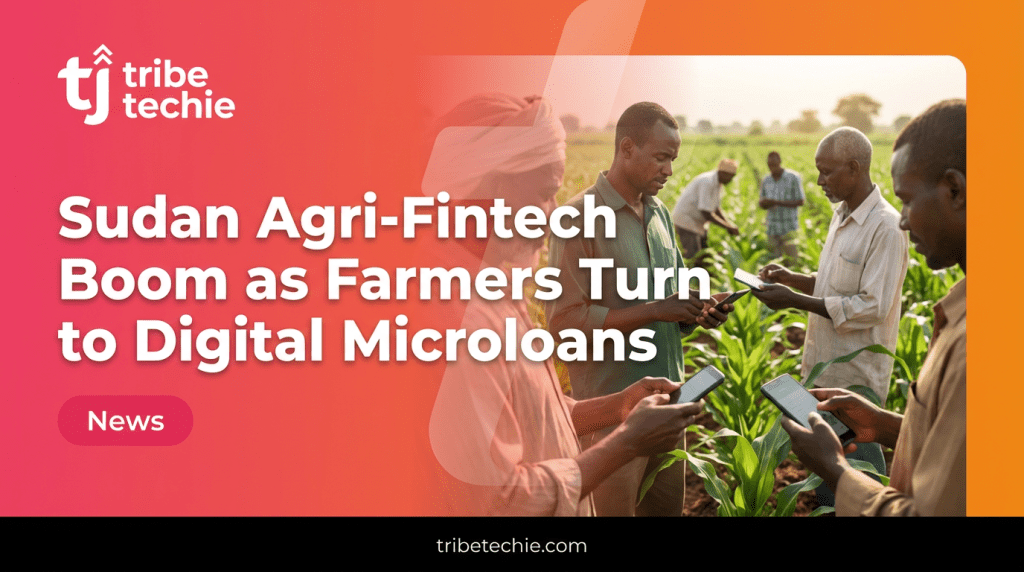
Smallholder farmers in Sudan are adopting digital microloans, driving agri-fintech growth and expanding financial access across underserved regions.
In Sudan, where agriculture serves as the primary economic driver, a transformative wave of ‘Agri-Fintech’ startups is bridging the digital divide for rural communities.
Also Read: African Fintech Startups Raise Billions to Fix Cross-Border Payments
Startups like Al-Mazara’a utilize mobile platforms to grant smallholder farmers access to microloans, crop insurance, and real-time market pricing data—all without requiring a traditional bank account. With significant financial exclusion in rural Sudan, this technology is essential for national agricultural development.
By leveraging satellite data for soil health analysis and credit risk assessments, these platforms bypass the need for traditional credit histories. This allows farmers to secure capital for high-quality seeds and fertilizers, directly increasing food production and local livelihoods.
Despite macroeconomic challenges, the growth of digital financial services in Sudan is attracting international development organizations and impact investors focused on digitizing the agricultural value chain. This movement demonstrates how innovative technology solves grassroots logistical and financial problems in emerging African markets.
Why Sudan Agri-Fintech Matters to MENA
The rise of digital microloans among farmers in Sudan highlights a powerful shift toward financial inclusion in agriculture across the MENA region.
For a region where many smallholder farmers lack access to traditional banking, agri-fintech solutions are unlocking credit, improving productivity, and stabilizing rural incomes.
It also signals growing momentum for impact-driven fintech, where technology is solving real economic challenges at scale—particularly in underserved and high-risk markets.
For investors and policymakers, Sudan’s model points to a larger opportunity: digitizing agriculture could become a key driver of food security, economic resilience, and inclusive growth across MENA.