Startups are built on big dreams and even bigger risks. For every unicorn that makes the headlines, there are dozens of startups shutdown and they quietly close their doors. Yet, while success stories get the spotlight, startup shutdowns often hold the real lessons.
What really happens when startups shutdown? Beyond the emotional toll and public silence, there are patterns, pressures, and decisions that many in the ecosystem don’t talk about, but should.
From founders navigating burnouts to investors writing off losses, and employees left job hunting overnight, startup closures aren’t just business stories, they’re human ones too. And in the MENA region, where the startup landscape is heating up with funding, innovation, and global attention, understanding why some ventures don’t survive is crucial for those who want to thrive.
Let’s take a look at what really goes down and how to learn from it.
Here’s Why Most Startups Shutdown
Let’s start with the facts: 90% of startups shutdown, according to research by Startup Genome. But the reasons aren’t always dramatic or scandalous, they’re boring, silent killers like running out of cash, no market need, or bad timing.
In MENA, things are no different. According to Magnitt’s MENA Venture Investment Summary 2023, while $2.6 billion was raised in startup funding, the number of disclosed startups shutdown is significantly underreported. Why?
Because failure here still carries a heavy stigma. Founders fear backlash, funders stay silent, and the media often moves on.
But beneath the radar, trends emerge:
- Cash Burn > Revenue Reality
Many startups chase scale over sustainability. A common mistake? Assuming funding rounds are revenue replacements. - Mismatch Between Market and Product
Building for “what’s hot” instead of “what’s needed” is a recipe for irrelevance. - Co-founder Conflict and Leadership Drift
A CB Insights study found that 14% of startup failures stem from problems among founding teams. Misaligned visions, unequal workload, or burnout often rupture the very core that built the company. - Lack of Resilience Planning
COVID taught us many things but one of the loudest lessons was that startups without adaptable, shock-proof models crumbled the fastest. In MENA, some of the biggest pandemic-era closures were in traveltech and events platforms with zero pivot plans.
What Founders Don’t Say But Feel Deeply
There’s no Slack announcement for heartbreak. Neither is there any pitch deck slide for burnout. When startups shutdown, what hits hardest isn’t just the financial loss, it’s the emotional toll. The result? The investors burned through money, morale, and mental health in silence.
Founders often:
- Keep up appearances for too long, worried that vulnerability equals weakness in investor circles;
- Avoid tough decisions, like pivoting or layoffs, because they’re emotionally invested in the original vision; and
- Struggle alone, as many MENA tech communities still don’t normalize talking about startup shutdowns the way Silicon Valley does with its “fail fast” mantra.
Take the story of Vezeeta, once a rising healthtech star from Egypt. While the startup hasn’t failed, recent internal restructuring and significant layoffs in its UAE operations sparked conversations around sustainability vs. hypergrowth.
The lesson? Founders must be willing to shift before things fall apart.
Investor Silence and Fear of Bad Optics
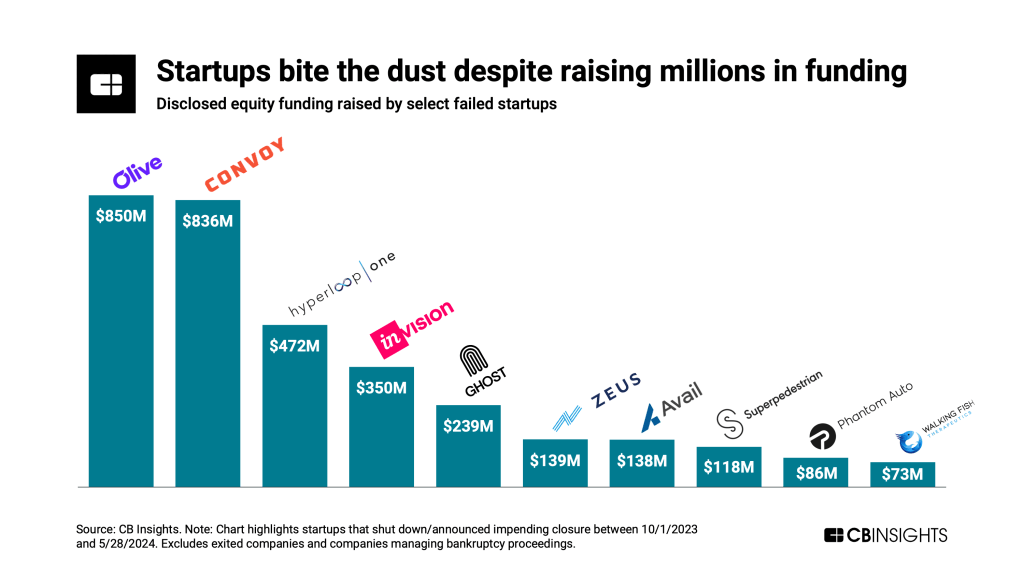
Let’s be honest not every investor wants their name tied to a startups shutdown.
That’s why post-mortems in the MENA ecosystem are so rare. Unlike Y Combinator’s culture of transparency, most VC firms here prefer radio silence once things go south. And while that’s understandable from a reputation standpoint, it hurts the ecosystem’s ability to learn and evolve.
According to a Wamda Capital analysis, less than 10% of MENA startups that shut down between 2020 and 2023 publicly shared reasons for their closure. Compare that to global ecosystems like India or the U.S., where post-mortems are almost standard practice.
But this silence has consequences. Asides from isolating founders, it limits investor growth and also prevents new entrepreneurs from learning what not to do.
Some funds, like Saudi’s STV and UAE-based Shorooq Partners, are beginning to shift that narrative by supporting founder second chances and offering structured post-failure advisory. But it’s a slow cultural shift we need to accelerate.
What Happens to Talent After Startups Shutdown
The unsung heroes of every startup story? The developers, designers, marketers, and operators who gave their all and are suddenly out of a job.
In the wake of shutdowns, startup employees often face:
- Visa risks especially in countries like UAE or Saudi where sponsorship is tied to employment)
- Delayed or unpaid salaries
- Uncertainty about how to explain the experience on their résumés
During the 2022 collapse of UAE-based proptech firm Stake.ai, former employees took to LinkedIn to share job-seeking posts that quietly revealed the chaos behind the scenes. While the company never issued a formal startups shutdown statement, talent spillovers told the story.
But there’s also a silver lining. MENA’s booming tech scene means top startup talent rarely stays unemployed for long. Companies like Egypt’s Breadfast, UAE’s Tabby, and Saudi’s Tamara have snapped up ex-startup workers as they expand rapidly.
And platforms like RemotePass, which supports compliance and onboarding across the region, are helping displaced talent land on their feet sometimes in better gigs than before.
How MENA Startups Can Fail Smarter and Rebuild Faster
Failure isn’t the opposite of success. It’s part of the path.
But it has to be intentional, documented, and shared. Here’s what the ecosystem can do better:
- Normalize post-mortems
Whether public or private, internal reviews of what went wrong (and right) help everyone grow. Think of them as startup autopsies that inform the next wave of innovation. - Create safe exit ramps
Governments can play a role here. Dubai’s DIFC Innovation Hub and Saudi’s Monsha’at already offer soft landing programs and legal clarity for winding down. These should be more widely known and accessible. - Invest in founder mental health
Emotional resilience is strategic. Organizations are already working to provide mental health resources tailored to professionals and founders need to be on that list. - Build “second-time founder” capital pools
Let’s fund the ones who’ve failed forward. Globally, second-time founders have a higher success rate and MENA needs more funds willing to bet on them again.
The Bottom Line
Startups shutdown or fail. That’s not new. What’s new and necessary is how we talk about it.
Founders need to know that shutting down isn’t shameful. Talents need to know that they’re not collateral damage. Investors need to lead with honesty, not optics. Because in every shutdown lies a story. And in every story, a blueprint not just for what to avoid, but for what to build better next time.
So the next time you hear that a startup folded, don’t just ask what went wrong.Ask, what can we learn? And what’s coming next.