


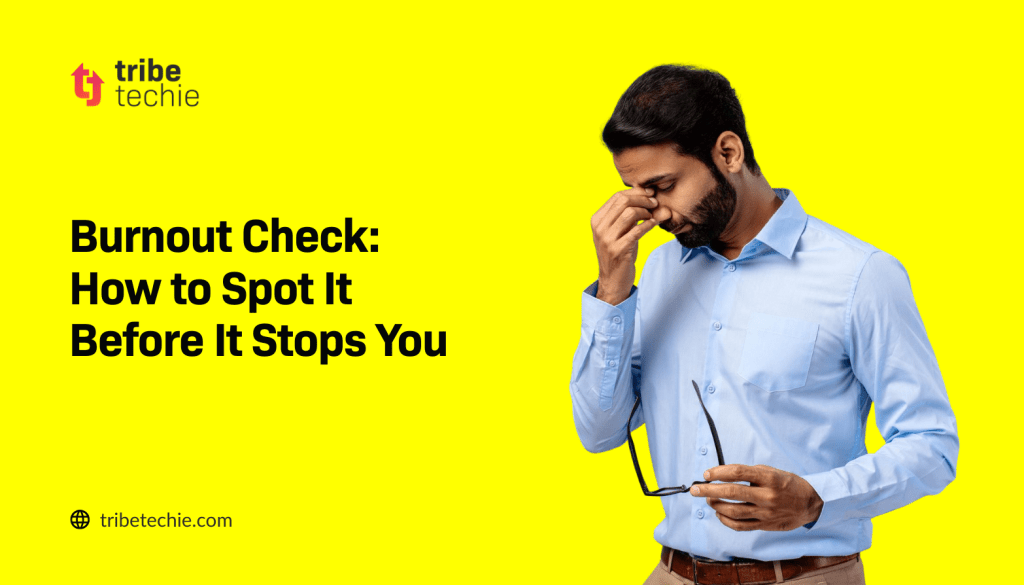
On paper, Jay’s job looked perfect. Flexible hours, interesting projects, supportive colleagues, zero burnout. But every morning over the past few months had started to feel heavier.
By the time his alarm buzzed, the promise of coffee and a commute no longer stirred excitement. Instead, his chest felt tight. Work felt like pushing a boulder uphill they never asked him to climb.
He didn’t wake up one day “burnt out.” It crept in through subtle shifts in mood and energy that he dismissed as exhaustion from a late night or too many weekend plans.
By the time Jay realized something deeper was happening, even weekends felt like another set of tasks to survive. His story isn’t unique. Burnout is widespread and often invisible until it’s serious.
A 2025 study by Reed found that 85 per cent of workers reported experiencing burnout symptoms such as chronic fatigue, brain fog, and headaches, with younger professionals especially affected.
Nearly half have taken time off because of their mental health, yet many don’t feel comfortable disclosing why they needed the break.
But burnout doesn’t come out of nowhere, and the earlier you spot the signs, the better your chances of changing course before it stops you.
Slow Burn: What Burnout Really Is and Why It Matters
Burnout isn’t just feeling tired after a rough week. According to health institutions like the Mayo Clinic, it’s a psychological and physical state tied to prolonged occupational stress that hasn’t been managed successfully.
This chronic stress impacts energy, focus, and engagement, and can show up in surprising ways. It isn’t simply “too much work.” Instead, burnout affects how you feel about your work and yourself, making even small tasks feel emotionally heavy.
For Jay, it began with subtle detachment. Things that used to spark joy or curiosity felt dull. He noticed he was snapping at colleagues over minor things. He dragged himself to meetings, even when he liked the people there.
These are all intrapersonal signs — emotional, cognitive, and physical changes within someone that research suggests are early indicators of burnout.
The Quiet Early Warnings You Can Miss
Experts studying burnout in health professionals (where it’s especially prevalent) have grouped early signs into patterns that show up before full burnout takes hold: emotional exhaustion, reduced cognitive focus, and physical fatigue that doesn’t resolve with rest.
What does that look like in everyday life?
Jay began noticing mornings felt heavier, not just harder. His attention drifted during conversations.
Things he once cared about — creative problem‑solving or mentoring junior teammates — no longer registered.
And yet, he still showed up to work. Burnout is subtle in its early stages — and that’s why people often dismiss it.
Health resources list many early indicators that are easy to overlook:
- Emotional detachment and cynicism about work.
- Persistent fatigue and trouble concentrating.
- Physical symptoms like headaches or sleep disruption.
- Withdrawal from social interactions and teamwork.
These drama‑queen signals are genuine psychological and physical responses to sustained stress.
Burnout Isn’t Just Psychological
Burnout can creep into your actions before it appears in your thoughts. Many professionals will show up bold and present, but the quality of their work starts to slip: they miss deadlines, make mistakes they wouldn’t have before, or take longer to complete routine tasks. Decreased performance is a red flag even your closest colleague can see.
It might even look like this: someone previously engaged and collaborative starts avoiding social interaction. Or a person known for creativity and initiative suddenly reacts with irritability and cynicism. These behavioral shifts are warning lights.
Some organizations also see early burnout as increased sick days, or what’s known as presenteeism i.e. physically being at work but mentally checked out and unproductive.
Why Spotting Burnout Early Matters
The cost of ignoring burnout isn’t just about feeling tired. Research shows that unmanaged chronic stress increases the risk of physical health issues like cardiovascular problems and weakened immune function.
Recognizing burnout before it stops you, means noticing that shift from feeling occasionally tired to being persistently exhausted, detached, or ineffective — and acting on it.
Early awareness helps with understanding that burnout isn’t a moral failure or laziness. It’s a signal from your body and mind that the stress you’re under is no longer healthy.
For Jay, the wake‑up call came during a team meeting. A question from a colleague made his heart hammer and palms sweat because his brain just shut down in response to stress. That moment made him stop and reflect.
That aligns with what many professionals report: burnout doesn’t strike with fanfare. It simmers, then reveals itself in moments where the mind and body simply can’t cope like they used to.
If someone like Jay had known what to watch for, those subtle shifts might have been easy to name — inexplicable tiredness, emotional detachment, lost enthusiasm — and easier to address before the signs became overwhelming.
Recognizing It in Yourself and Others
You can’t always force someone else to see their burnout, but you can recognize patterns:
- Has work stopped feeling meaningful?
- Do days feel like a chore even on weeks you should enjoy?
- Are fatigue and irritability the default emotional state?
Answering yes to these questions doesn’t mean you’re weak. It means you’re human and overstressed. Because burnout isn’t just about productivity.
Your body and mind often give you subtle warnings long before major breakdowns and catching them early is how you “check for burnout” before it stops you.

Pingback: Burnout Recovery: What to Do After You Spot It Before It Stops You – tribetechie