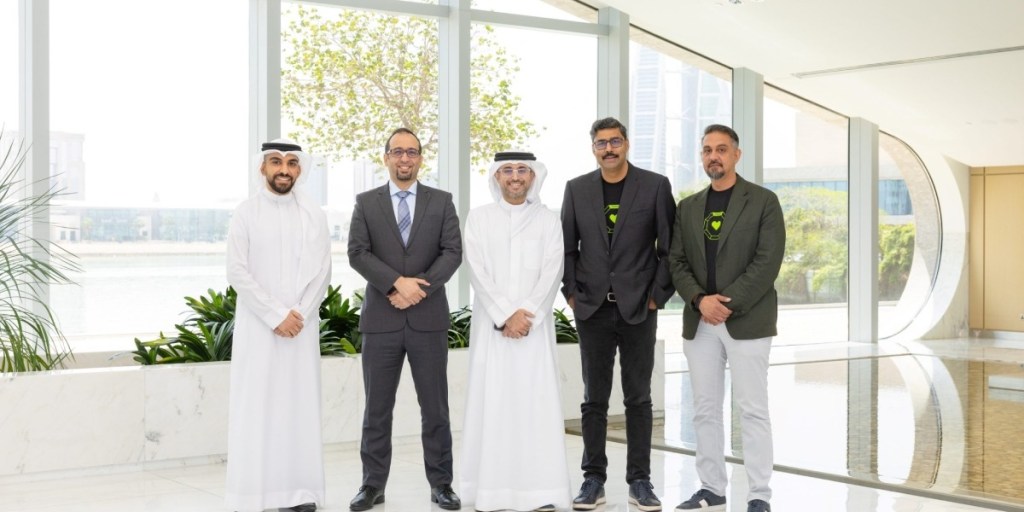
Kratos Gamer Network (KGeN), a decentralized global platform for gamers, has officially launched its regional headquarters in Bahrain, marking a significant step in its expansion across the Middle East and North Africa (MENA) region.
With a thriving global community of over 21 million gamers, KGeN is now establishing a physical presence in MENA to tap into the region’s booming gaming market. The new Bahrain hub will serve as a launchpad for a universal gamer reputation system, allowing players in the region to showcase their gaming credentials through the internationally recognized “Proof of Gamer” system and become part of the KGeN network.
Kratos Gamer Network headquarters aims to connect MENA’s passionate gaming communities with global game publishers looking to engage with local audiences. It will also foster innovation by introducing blockchain-powered identity, loyalty, and reputation solutions to support regional developers and publishers in creating immersive, gamified consumer experiences.
According to Manish Agarwal, co-founder of Kratos Gamer Network (KGeN), Bahrain offers the perfect environment for this regional expansion. “Its forward-thinking digital infrastructure and welcoming business landscape make Bahrain a strategic choice. We’re excited to help shape the local gaming ecosystem by offering advanced technology, strategic partnerships, and our global expertise,” he said.
This move aligns with KGeN’s mission to help consumer-facing brands leverage gamification through AI and blockchain technologies. By building on Bahrain’s robust ICT sector, the company aims to explore new opportunities and work closely with both local and international players in the market.
Ali Al Mudaifa, Chief of Business Development at the Bahrain Economic Development Board (EDB), praised KGeN’s decision. “Their choice of Bahrain highlights our growing reputation as a tech and gaming hub. With strong infrastructure and a skilled talent pool, we’re committed to supporting the MENA gaming market, which is expected to reach $2.8 billion by 2026,” he stated.