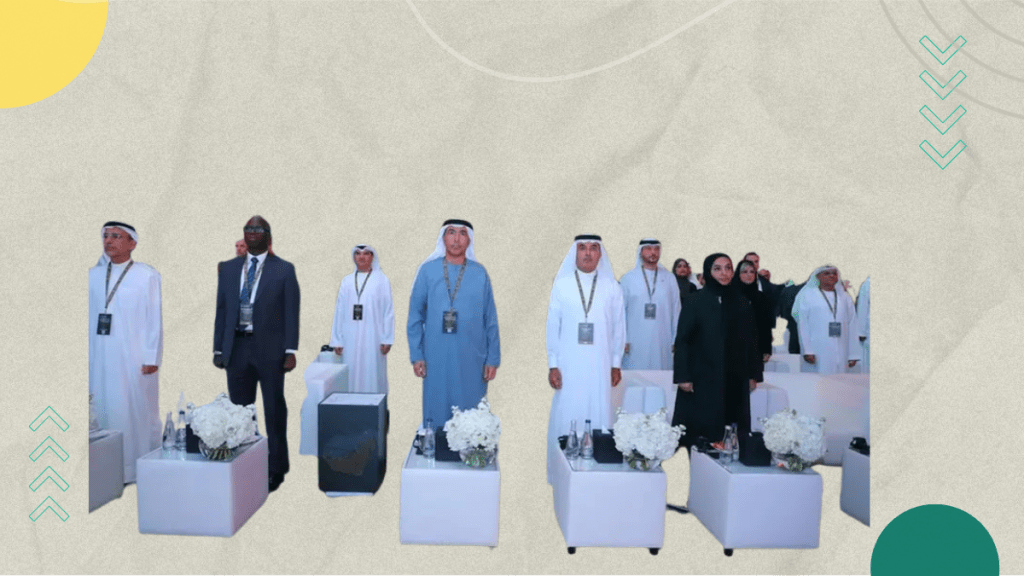
The UAE 2030 Financial Inclusion Strategy was launched at the MENA Summit, aiming to expand digital access, promote equity, and empower businesses across the region.
The opening day of the MENA Leaders’ Summit on UAE 2030 Financial Inclusion in Abu Dhabi marked a key milestone for the UAE’s economic vision. Under the patronage of His Highness Sheikh Mansour bin Zayed Al Nahyan, senior figures from across the region—including governors, ministers, regulators, and international partners convened to discuss building more inclusive and resilient financial systems.
Also Read: SILZ Unveils Vision to Transform Saudi Arabia’s Logistics Future at Web Summit 2025
H.E. Khaled Mohamed Balama, Governor of the Central Bank of the UAE, opened the UAE 2030 Financial Inclusion Summit by emphasizing that financial inclusion is not merely a policy checkbox but a pillar of sustainable development. He outlined the UAE’s ambition to remain a global model of innovation and inclusive growth, aligned with the country’s long-term visions for 2031 and 2071.
The highlight of the day was the official launch of the UAE 2030 Financial Inclusion Strategy (NFIS) 2026–2030, developed in collaboration with the World Bank, the OECD, the Arab Monetary Fund, and more than 70 stakeholders. The strategy is designed to ensure fair and safe access to financial services for all residents and focuses on four core pillars:
- Strengthening legislation and regulation to support inclusive finance.
- Accelerating digital transformation and integration of technology across financial services.
- Enhancing financial literacy and capability among individuals and businesses.
- Leveraging data and AI to monitor, evaluate, and improve financial inclusion outcomes.
H.E. Fatma Al Jabri, Executive Director at the Central Bank responsible for market conduct, financial crimes, and consumer protection, detailed the strategy’s specific targets. These include increasing the share of individuals with financial accounts, expanding digital payment adoption, and integrating innovation with regulatory compliance. Notably, 12 initiatives target priority groups, including women, youth, people of determination, entrepreneurs, and MSMEs groups for whom access to finance is often a critical barrier.
New regional Findex data, presented by officials from the World Bank and Arab Monetary Fund, highlighted the progress and gaps in financial inclusion across the Arab world. The findings aim to guide policymakers in addressing underserved segments and improving financial access.
The UAE also announced it will host Global Money Week 2026, underscoring its commitment to financial education and awareness at a regional and global scale.
The UAE 2030 Financial Inclusion Strategy represents more than a policy document; it signals a concerted effort to create a financial ecosystem where individuals and businesses can thrive. For startups, entrepreneurs, and SMEs across the MENA region, the strategy could be transformative—improving access to finance, fostering digital adoption, and equipping businesses to scale sustainably.