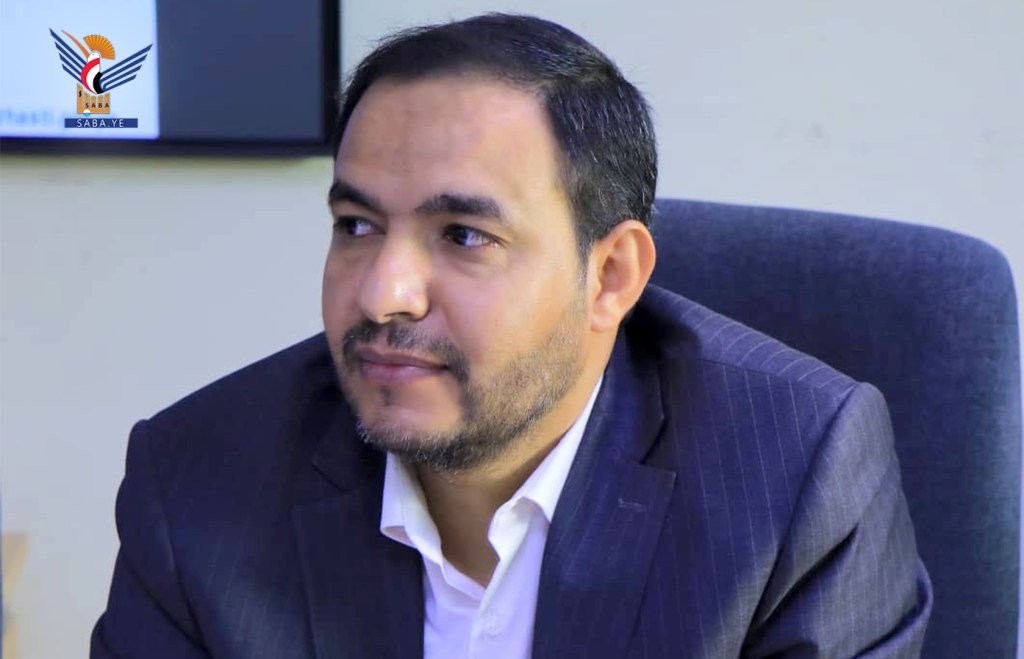
The Supreme Commission for Science, Technology, and Innovation (SCSTI) is accelerating Yemen’s push toward tech-driven growth with a plan aimed at fostering small and medium enterprises (SMEs).
According to Dr Abdulaziz Al-Houri, the SCSTI’s Vice President, this plan focuses on key sectors like education, energy, agriculture, and automation.
Driving Tech-Focused Entrepreneurship
One of SCSTI’s standout initiatives is the “Al-Roahd of Creative and Innovative Projects” competition, which has successfully catalyzed the growth of tech-based startups in Yemen.
According to Dr Al-Houri, a number of the competition’s past winners have evolved into established SMEs, providing crucial services that help localize industries and bolster Yemen’s journey towards self-sufficiency.
“We are seeing real progress. Some of the projects that took first place in previous competition seasons are now fully functioning companies,” Dr Al-Houri said. “These businesses not only contribute to the local economy but also address vital issues like fuel efficiency and resource management through innovative tech applications.”
Tech Integration and Automation in Key Sectors
The SCSTI’s new roadmap puts significant emphasis on integrating technology into traditional sectors. Dr Al-Houri highlighted that one of the Authority’s key goals for 1446 AH is the adoption of automation and advanced tech solutions in agriculture and energy.
“These projects will utilize technology and automation to streamline operations and improve productivity,” he stated. This initiative is part of a broader effort to modernize Yemen’s agricultural sector, where technology can enhance output and reduce environmental impact.
Furthermore, renewable energy projects are on the horizon, with automation systems playing a critical role in energy management and consumption.
Science Week: Promoting Education and Innovation
A centerpiece of the SCSTI’s strategy is National Science Week, which will return for its second phase in 1446 AH. This annual event connects the country’s educational system with development priorities, encouraging students and researchers to align their projects with Yemen’s most pressing needs.
The week-long event, which will involve universities, colleges, schools, and technical institutions, is designed to bridge the gap between theory and practice in Yemen’s scientific community.
By hosting exhibitions, seminars, and lectures focused on emerging technologies like AI, renewable energy, and intellectual property rights, the SCSTI aims to inspire the next generation of Yemeni innovators.
“Through Science Week, we’re hoping to foster a culture where research is directly tied to solving real-world problems. This will help us accelerate progress in both the scientific and industrial sectors,” Dr Al-Houri added.
Mapping Yemen’s Research Priorities
Another pivotal project under SCSTI’s 1446 AH plan is the continued development of Yemen’s national research map. The map, which outlines key research priorities for the country, is set to undergo its third phase of evaluation, where SCSTI will assess the level of adoption and the effectiveness of the research being conducted.
“The research map serves as a guide for academic institutions and researchers across the country,” explained Dr Al-Houri. The map’s significance lies in its ability to steer research efforts toward areas that can have the most impact on Yemen’s development, especially in high-tech fields like artificial intelligence and renewable energy.
SCSTI has also taken a tech-savvy approach to managing the map, using an electronic platform that allows researchers to submit suggestions or propose new research priorities. “We receive input from researchers 24/7. This collaborative platform ensures that the research map remains dynamic and up-to-date with emerging trends,” said Dr Al-Houri.
A Vision for 2030 and Beyond
While the SCSTI’s initiatives are ambitious, Dr. Al-Houri acknowledged that Yemen’s tech revolution is a long-term endeavor. “The priorities outlined in the research map, particularly in tech sectors like AI and energy, are constantly evolving. We don’t expect to fully realize these goals by 2030, as new fields and subfields will continue to emerge. However, we are laying the groundwork for sustained progress,” he explained.
Looking ahead, the SCSTI envisions a Yemen where tech innovation plays a central role in solving the nation’s most pressing challenges, from energy security to economic development.
The authority’s proactive approach—fostering startups, driving automation, and aligning research with national goals—signals a forward-thinking strategy that could lead to significant breakthroughs in the years to come.
In closing, Dr Al-Houri emphasized that the SCSTI’s work is far from over, but the progress made thus far is a testament to the potential of technology in transforming Yemen’s economy and society.
“Our goal is to ensure that all research and development is aligned with national priorities and that the innovations coming out of Yemen are contributing to real-world solutions,” he concluded.