The AI video revolution in advertising is transforming content creation, slashing costs, and driving innovation across global markets.
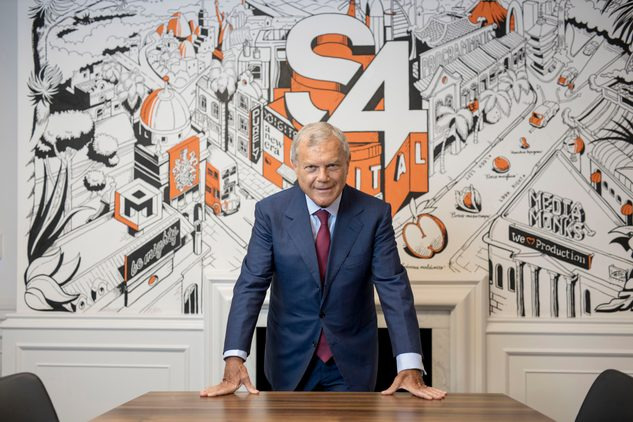
Sir Martin Sorrell, the former CEO of the world’s largest advertising agency, has urged companies to speed up their adoption of artificial intelligence (AI), noting that most of his agency’s creative output is now AI-generated.
Also Read: VUZ Raises $12M Pre-Series C to Expand in Emerging Markets
Sir Martin Sorrell, the former chief executive of WPP and now founder of S4 Capital, said the AI video revolution in advertising is already reshaping the global marketing landscape, though many traditional agencies are lagging.
“The biggest thing at the moment is agentic [AI-generated] films,” he said. “We can produce content at a fraction of the cost.”
Sorrell made these remarks at the Fortune Global Forum in Riyadh, held ahead of the Future Investment Initiative (FII) flagship conference, where discussions centered on AI, creative economies, and the next wave of digital transformation.
According to Sorrell, S4 Capital has already created AI-generated video ads for Puma, Google, General Motors, and BMW, using tools that automate nearly every stage of production.
“If you are dependent on traditional production, spending $2.5 million on a film shoot for four months, somebody can now do it in four weeks for $500,000,” he explained.
This AI video revolution is transforming the creative process and drastically cutting costs. However, it’s also raising concerns about job losses in the advertising and film industries.
Earlier this year, OpenAI CEO Sam Altman said that up to 95% of current ad agency work could be completed by AI.
Sorrell described himself as “bullish on the Middle East,” highlighting Saudi Arabia and the UAE as emerging hubs for digital media and AI-led content creation. Governments in the Gulf are investing heavily in AI infrastructure, training programs, and creative industries to reduce reliance on imported technology.
He added that the region’s growing appetite for tech innovation offers “a unique opportunity for advertising firms to rethink how creativity and technology intersect.”
Sorrell predicts that the future of advertising will be hyper-personalized content powered by AI, capable of tailoring ads to viewers based on real-time data.
“Imagine in-car advertising showing a driver a restaurant ad as they approach,” he said. “The biggest challenge isn’t technological; it’s managing change.”
Executives, he warned, face intense pressure to adapt or risk being left behind. AI systems are already managing audience data and creative budgets more efficiently than human planners.
Why the AI Video Revolution Matters to MENA
The AI video revolution is not just a global trend; it’s a strategic opportunity for MENA economies. Countries like Saudi Arabia, the UAE, and Qatar are positioning themselves as AI-powered media and innovation hubs, with regional agencies increasingly adopting AI tools to reduce costs and boost creative output.
This shift aligns with the Gulf’s broader Vision 2030 goals to diversify economies beyond oil, create digital jobs, and export creative technology.
As the advertising world evolves, the MENA region has the chance to leapfrog traditional production models, using AI video revolution to compete with global creative giants.