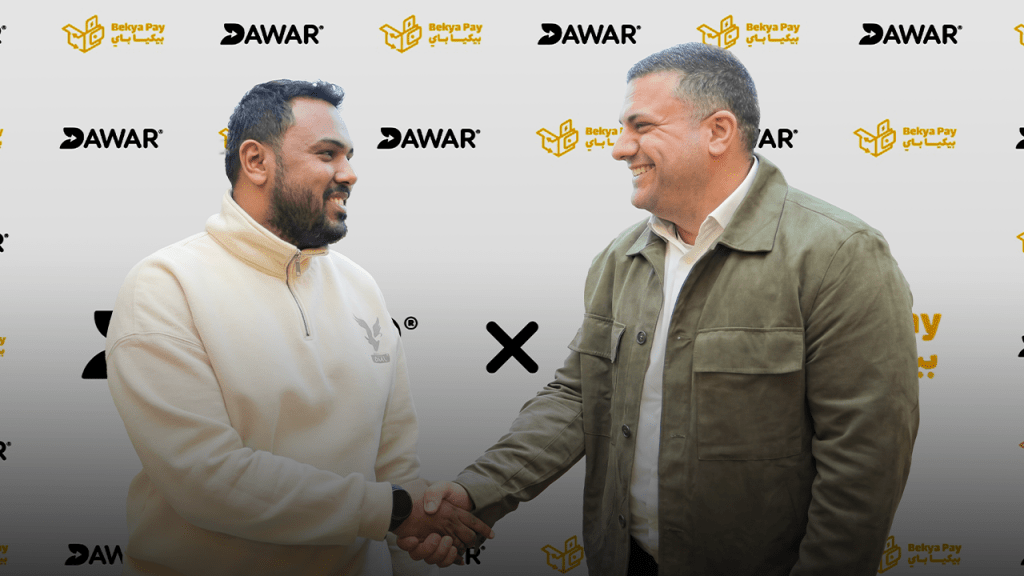
Egypt’s Dawar acquired a stake in BekyaPay to digitize household recycling, expanding traceability and compliance infrastructure across the waste recovery chain.
Egypt processes millions of tons of waste annually, much of it through informal and fragmented networks that operate with limited documentation and minimal traceability. While efficient in practice, the system lacks standardized reporting and verified recovery data — gaps that are becoming more critical as regulatory oversight increases.
Also Read: UAE’s Stake Raises $31M to Scale Digital Property Platform
Dawar was built to formalize that ecosystem. Rather than functioning as a traditional recycler, Dawar positions itself as a digital infrastructure layer for the waste recovery sector. Its platform records, verifies, and structures recyclable material flows across collection points, aggregators, traders, and compliance channels within a unified digital framework.
Over the past three years, the company has reported recording more than 90,000 verified tons of recyclable materials across 22 governorates, converting informal transactions into traceable datasets. Until now, Dawar’s oversight primarily began once materials entered structured collection or trade channels. BekyaPay operates earlier in the chain.
Launched less than a year ago, BekyaPay enables households and commercial entities, including schools and hypermarkets, to exchange sorted recyclable materials for cash. The platform currently operates through more than 500 collection points and 120 collectors across two governorates, with over 30,000 registered users.
By acquiring a stake in BekyaPay, Dawar integrates source-level collection into its traceability architecture. The move provides earlier data visibility before materials enter informal trading networks. The result is not merely increased collection volume, but enhanced transparency across the recycling lifecycle.
Extended Producer Responsibility (EPR) regulations and rising ESG disclosure standards are placing greater pressure on manufacturers and brands to document waste recovery and recycling rates. Verified material flows are increasingly becoming compliance requirements rather than optional reporting metrics.
Digitized recovery systems, therefore, serve a dual role: improving operational efficiency while enabling regulatory documentation. Platforms capable of aggregating verified recovery data across multiple governorates position themselves not only as waste operators, but as compliance infrastructure providers.
The acquisition signals a broader consolidation trend within Egypt’s circular economy ecosystem, shifting from decentralized, volume-driven activity toward vertically integrated, data-driven systems.
For Dawar, integrating BekyaPay expands oversight to the earliest stage of the recycling chain. For the wider market, it reflects a structural shift: recycling is becoming less about volume alone and more about measurable, reportable recovery.
As environmental regulation strengthens and sustainability reporting gains commercial weight, traceability may prove as valuable as the materials themselves.
Why Dawar Matters to MENA
Egypt’s recycling ecosystem has long operated through informal yet efficient networks. However, as ESG disclosure requirements and Extended Producer Responsibility (EPR) regulations tighten across the region, traceability is becoming a strategic necessity.
Dawar’s move signals a broader shift in MENA’s circular economy from volume-driven waste collection to data-driven recovery systems. By integrating BekyaPay at the household level, Dawar captures materials at the source, strengthening compliance documentation and verified recovery reporting.
For governments and corporates across the Gulf and North Africa, this model offers a blueprint: digitized waste infrastructure can support regulatory compliance, sustainability reporting, and circular economy targets simultaneously.
As environmental oversight strengthens across MENA, platforms that combine operational scale with verified data visibility will likely become essential infrastructure not just for waste operators.